

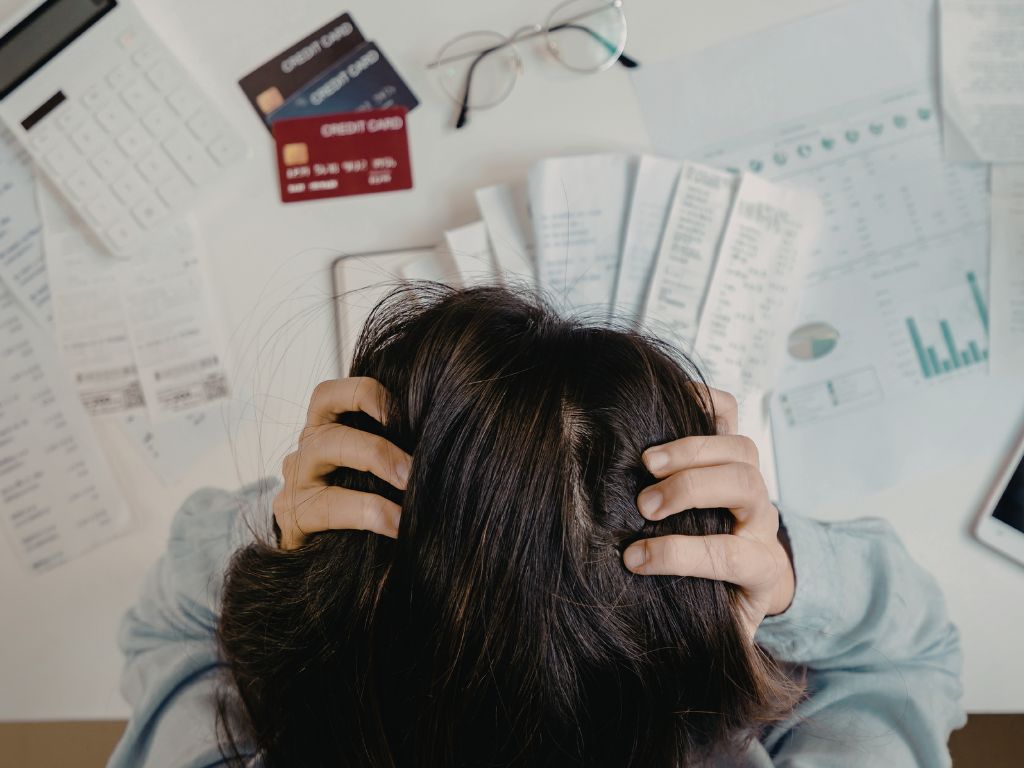
There are days when the weight of everything feels heavy — the bills, the kids, the quiet moments after bedtime — and suddenly adding something to your cart feels like a small relief. Emotional spending often shows up on bad days, when stress, sadness, or loneliness heightens our emotional state, and buying a new item feels like it might make us feel better.
For many single mums, shopping isn’t about being careless with money; it’s about coping when you’re running on empty. And you’re not alone in that.
Understanding emotional spending matters because it affects more than just your financial situation. It touches your well-being, your sense of safety, and your long-term financial health.
But by gently recognising why we spend in response to emotion, we can replace shame with awareness and begin making more conscious choices.

Emotional spending is when a purchase is driven more by feeling than by need. It’s the emotional purchase made late at night after a long day, the “I deserve this” reward after holding everything together, or a form of retail therapy meant to ease sadness or anxiety.
For single mums, emotional spending behaviour often develops as a way to manage stress, emotional strain, or isolation. It’s rooted in psychology, not a lack of discipline.
This behaviour happens because spending can trigger dopamine — the brain chemical linked to happiness, excitement, and instant relief. The problem isn’t shopping itself, but when impulse replaces rational decision-making and becomes a pattern.
Common reasons emotional spending happens include:
Identifying emotional triggers is the first step toward breaking impulsive spending habits. Remember, it’s about understanding your relationship with money and choosing healthier ways to cope.
Read more on how to identify and manage emotional triggers here: Valuable Coping Strategies For Painful Emotional Triggers
Stress has a powerful effect on emotional spending, especially when your nervous system is already stretched thin. For single mums, stress is layered — work, parenting, finances, and emotional responsibility all collide. When pressure builds, it’s easy to feel the urge to shop as a way to regain control or feel a moment of ease.
Triggers are not personal failures; they are signals. Recognising them allows you to pause, reflect, and begin making purchases with intention rather than emotion.
Emotional spending can feel soothing in the moment, but the emotional cost often appears later. The temporary relief fades, replaced by guilt, anxiety, or financial stress. Over time, this pattern can quietly affect your mental health and emotional well-being.
Some of the most common emotional effects include:
Emotional spending affects both your finances and your emotions, and understanding this connection helps protect your long-term financial and emotional health.
Not all spending is unhealthy. The key difference lies in motivation and emotional awareness. Emotional spending occurs when feelings drive the decision, while normal spending is based on need, planning, or financial goals.
Key differences include:
Understanding this difference helps make more conscious choices without removing joy, treats, or rewards from your life.
Read more on how to find joy in your life here: The Truth About Finding Joy Again for Single Mums
Emotional spending doesn’t always look dramatic. Often, it shows up quietly through small, frequent purchases that add up. Over time, this can affect your financial stability and long-term financial goals. Some of the most common signs of emotional spending or retail therapy include:
You don’t need extreme rules to stop emotional spending. As a single mum, your time and energy are limited, so gentle, realistic strategies matter more than drastic ones. Even one shift can help you feel more grounded and in control. Here are a few simple ways to start reducing emotional spending:
A simple tip: the next time you feel the urge to buy, pause and ask what emotion you’re responding to. That pause alone is a powerful strategy.
Supportive tools make emotional spending easier to manage without shame. These resources help build healthier coping mechanisms and protect your financial health.
Helpful tools include:
Other healthier ways to cope include calling a friend, meditation, movement, or setting aside a small fund in a savings account for intentional treats. A one-off, 60-minute power session with Single Mama Way to tackle your biggest stress is a great and much cheaper option.
Emotional spending is a deeply human response to stress, sadness, and the invisible load many single mums carry every day. By learning to identify emotional triggers, build awareness, and make more conscious choices, you can take control of your finances without sacrificing happiness.
With compassion, patience, and support, emotional spending can become something you understand, not something that controls you.